Mental Health
is Brain Health
NeuroVista is a non-profit brain health institute in Somerville, Massachusetts.
All under one roof:
- 1A Clinic That Treats
- 2Research That Measures
- 3An Incubator That Builds
- 4A Community That Connects
Closing the gap between brain science and brain care.
TREAT
Personalized neuromodulation and brain health care.
VALIDATE
Clinical outcomes tracked on every course of care.
BUILD
New tools co-developed with startups and researchers.
CONVENE
Boston's brain health community, connected on site.
The Problem
The science has
outpaced the care.
Effective brain-based treatments exist, and most of the people who need them never receive them.
A patient with treatment-resistant depression will ordinarily complete several medication trials before neuromodulation is raised. Overlapping conditions, PTSD and traumatic brain injury among them, are managed by separate specialists who share no common measurements.
Most outpatient behavioral health care generates no structured outcome data, leaving neither clinicians nor payers able to say what is working. What is missing is a clinical setting in which a new technology can be deployed, measured, and scaled in one place. NeuroVista exists to be that setting.
21M
U.S. adults had at least one major depressive episode in the past year.
NIMH, National Survey on Drug Use and Health
1 in 8
Americans diagnosed with chronic insomnia, a thread beneath nearly every condition we treat.
American Academy of Sleep Medicine survey, 2024
33%
of people with major depression do not respond adequately to two or more antidepressant trials.
Treatment-resistant depression literature (STAR*D and successors)
48.5M
Americans age 12+ had a substance use disorder in the past year.
SAMHSA, 2023 NSDUH
The Loop
Brain science works in silos.
We put it all in one building.
Every piece exists. They just never meet.
Labs hold research but see no patients, clinics see patients but have no route to new tools, and startups have no clinical site. Like a teaching hospital, NeuroVista brings them together, with the companies building brain health technology on site.
1. Clinic
Patients receive personalized brain care.
Every course of care is measured on validated tools and the outcomes patients value most.
1 → 2
Care generates evidence:Symptoms, daily function, and quality of life, tracked on every course of care.2. Research
Outcomes become shared evidence.
De-identified neural and outcome data forms a dataset collaborators contribute to and draw from.
3 ← 2
Evidence attracts builders:A de-identified dataset most brain health companies cannot obtain at any price.3. Incubator
Companies build alongside the clinic.
Startups work on site with clinicians and patients, testing new tools against real outcomes.
4 ← 3
Builders grow the network:Founders meet clinicians, investors, and each other, right down the hall.4. Community
The people who make each handoff happen.
Convenings, seminars, and introductions connect founders, clinicians, and investors.
4 → 1
Connections return as care:Proven tools move into the clinic, across the network, or out as companies.The Patient
Every part of the loop is designed around the person receiving care.
Activities
Five activities,
running in parallel.
Everything we build is designed around the person receiving it.
A treatment has succeeded when someone sleeps again, returns to work, or recognizes themselves again, and we record those outcomes alongside the clinical scores.
1
Direct patient care in neuromodulation and related brain health services.
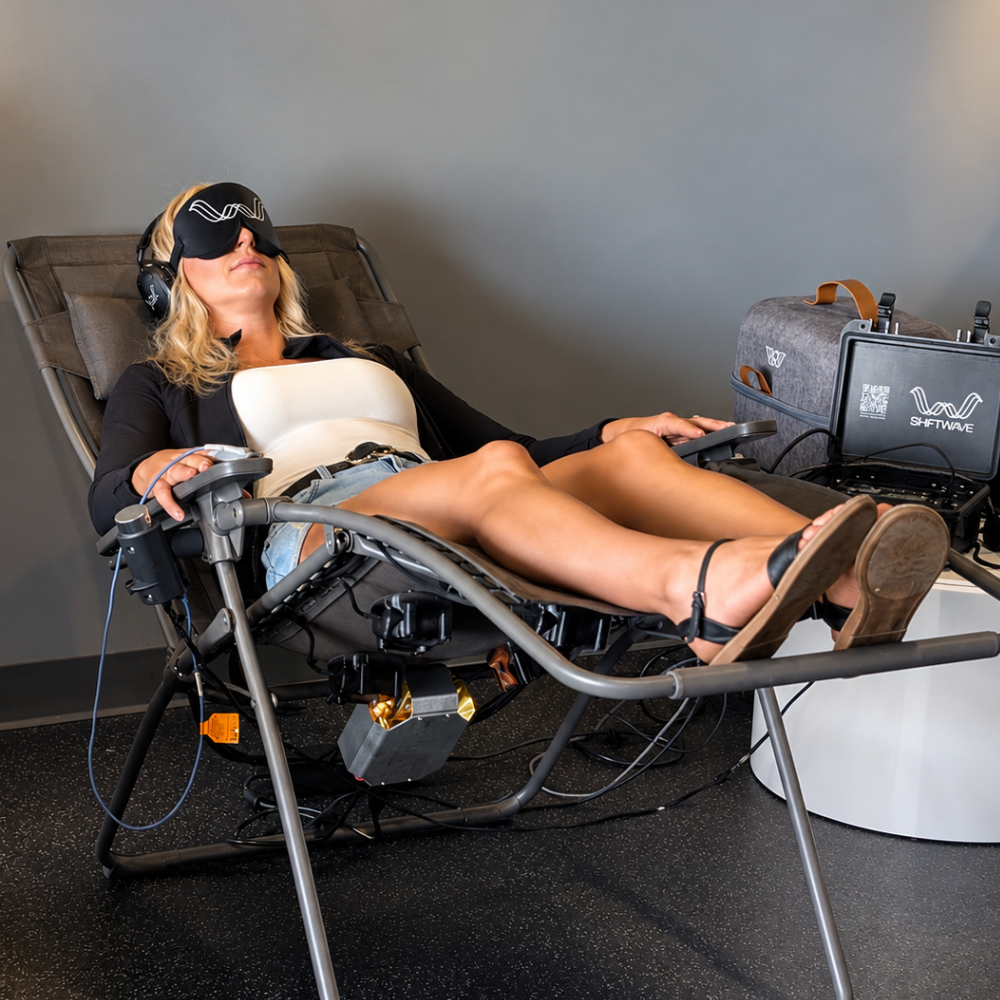
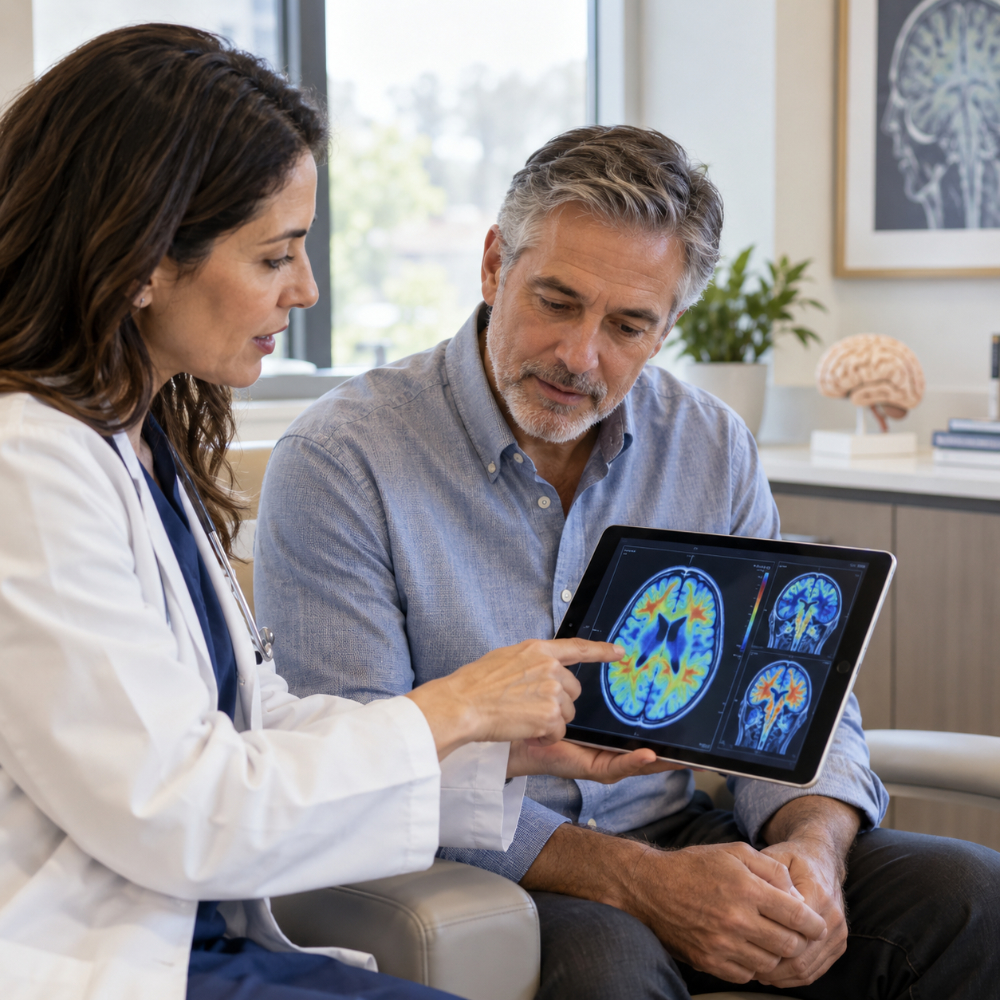
Care is built around the person: their history, their goals, and the people around them form part of the treatment plan. We do not require a diagnosis to begin. Treatment is derived from each person's own EEG, and we treat the brain networks the recording identifies. The first thing most people notice is that they sleep.
2
Our clinics double as a testing environment for new technology.
Across every course of care we track symptoms, daily function, and quality of life on validated instruments, and we ask patients which outcomes matter most to them, so that the results we report are the ones they value.
3
Co-development with startups, researchers, and industry partners.
Digital therapeutics, neuromodulation protocols, wearables, EEG and analytics tools, AI decision support, and VR-based therapy and training, developed with a live clinic and its outcomes framework next door.
4
Programs that prove out move outward.
Across the affiliated hospital network, into new NeuroVista sites, or out as standalone companies. Near term, a flagship that performs well enough to replicate. Medium term, a regional network of sites built on the same playbooks.
5
Rounds, seminars, training, and convening the regional field.
Clinical rounds, seminars, webinars, training and certification, published findings, and a summit and salon series that brings Boston's brain health community into one room.
Areas of Focus
Conditions that share a common substrate.
Depression, substance use, anxiety, PTSD, sleep disorders, ADHD, autism, brain injury, and dementia are managed by a care system that divides them into separate specialties.
They nonetheless share a common substrate in the nervous system.
13M
U.S. adults live with PTSD in a given year, roughly 5% of adults; 19% experience an anxiety disorder.
National Center for PTSD · NIMH
Treatment-resistant depression, PTSD, anxiety, obsessive-compulsive and related disorders.
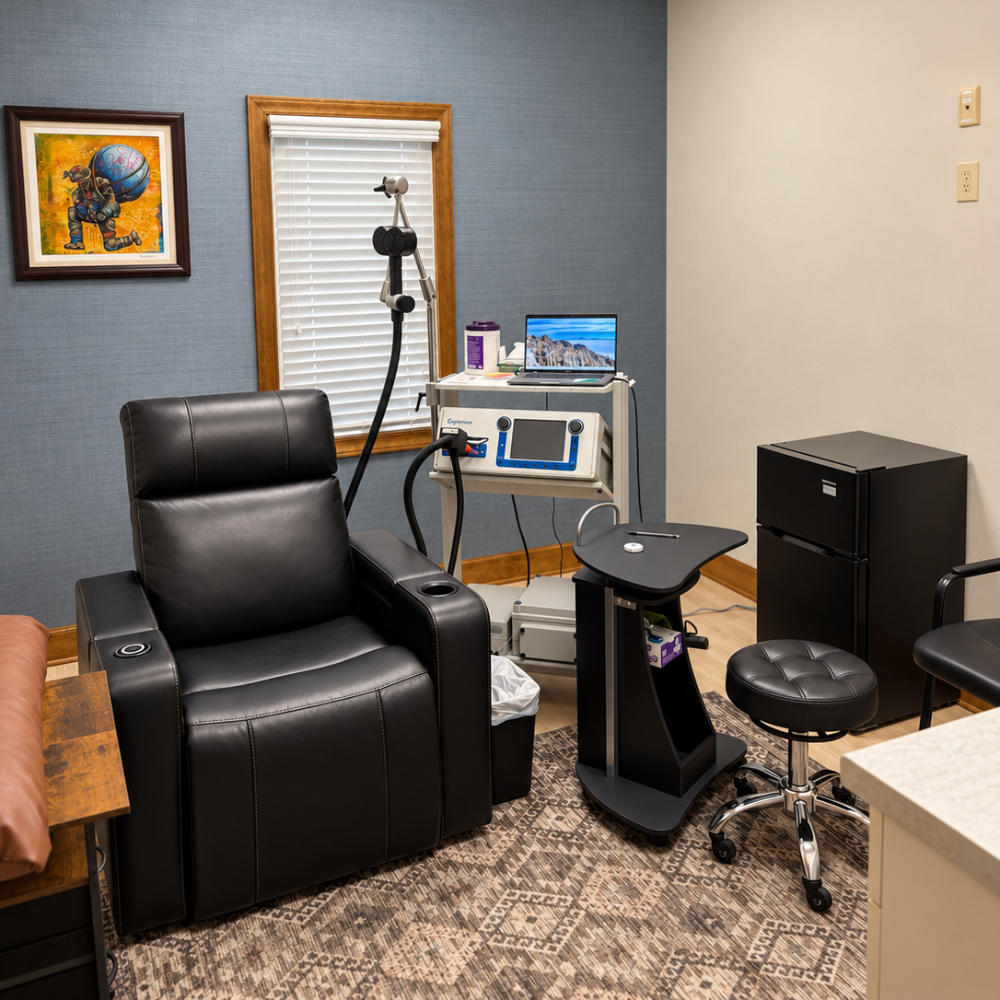
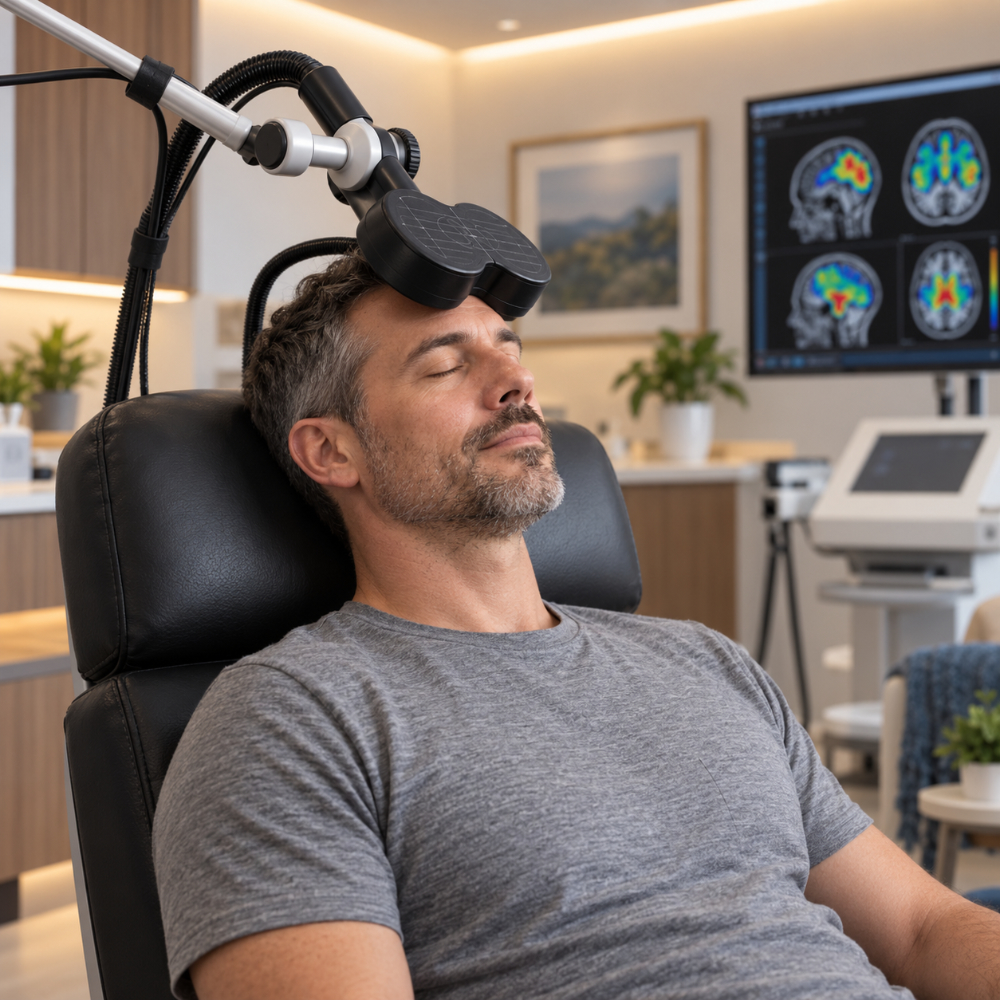
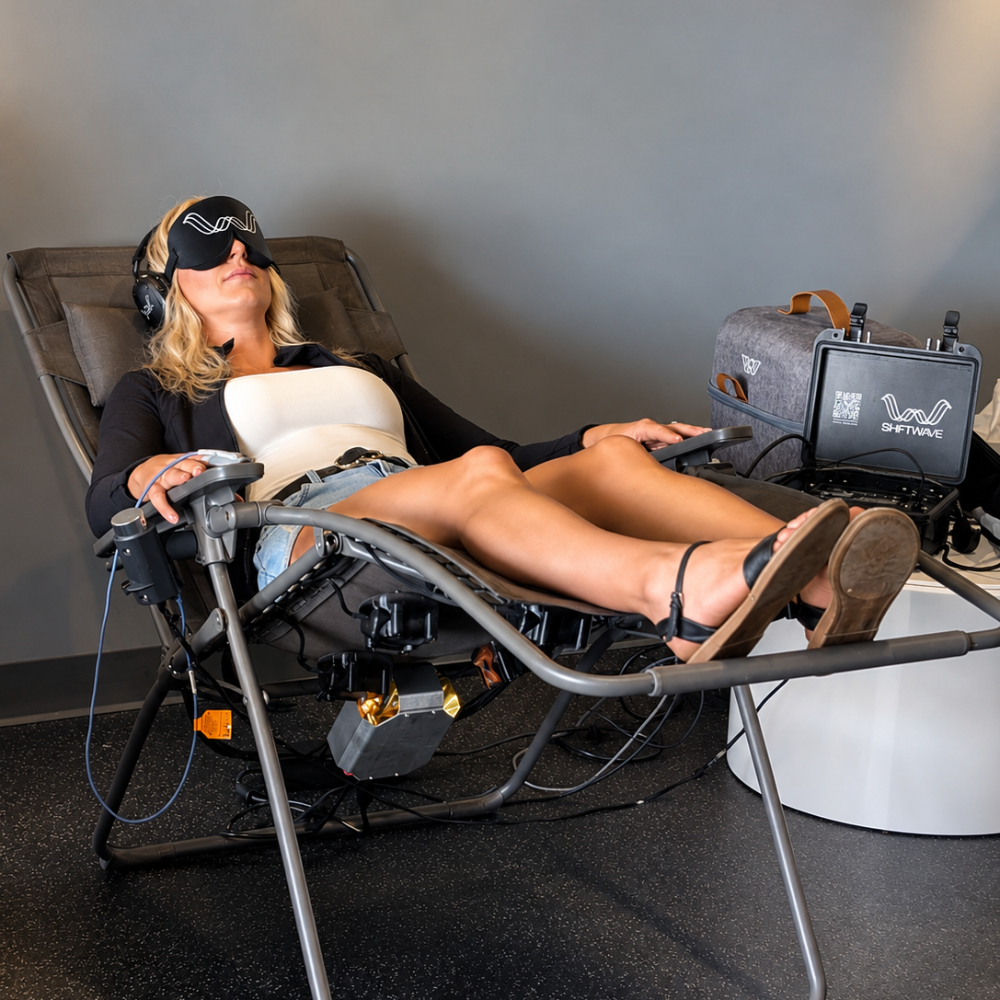
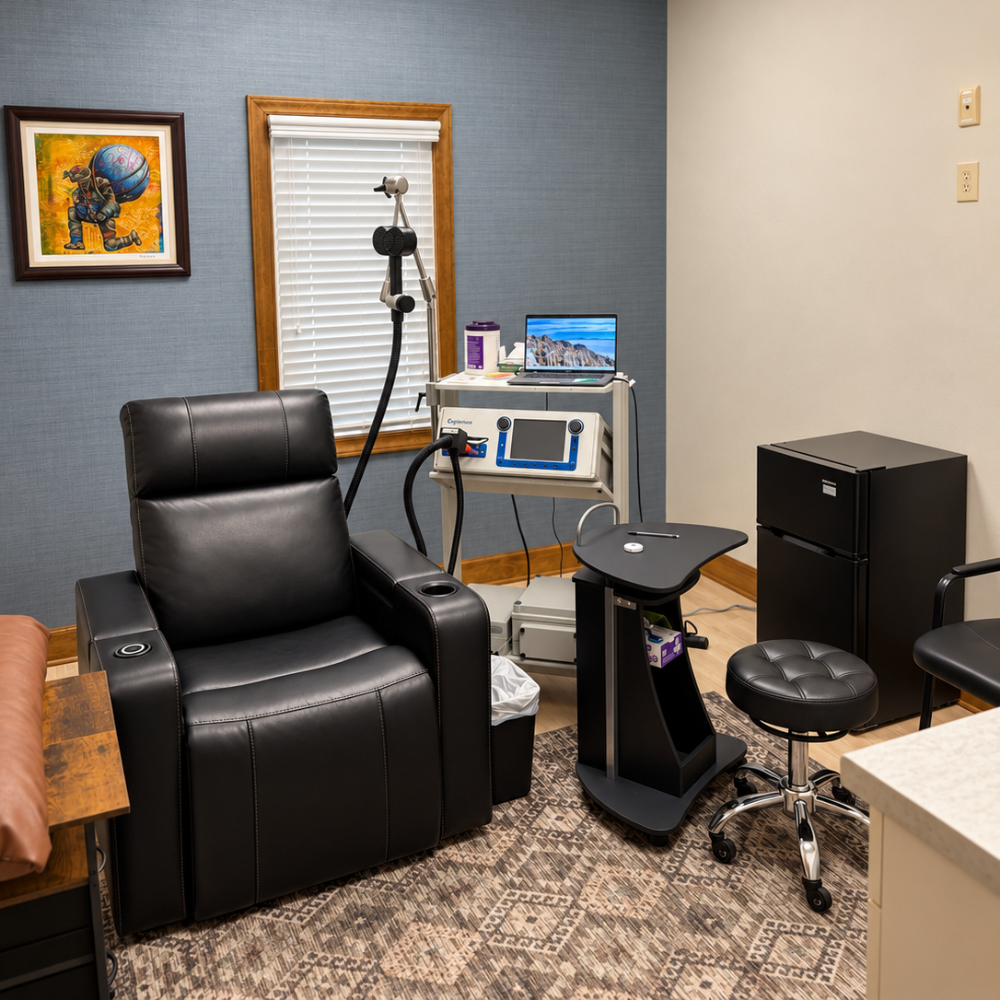
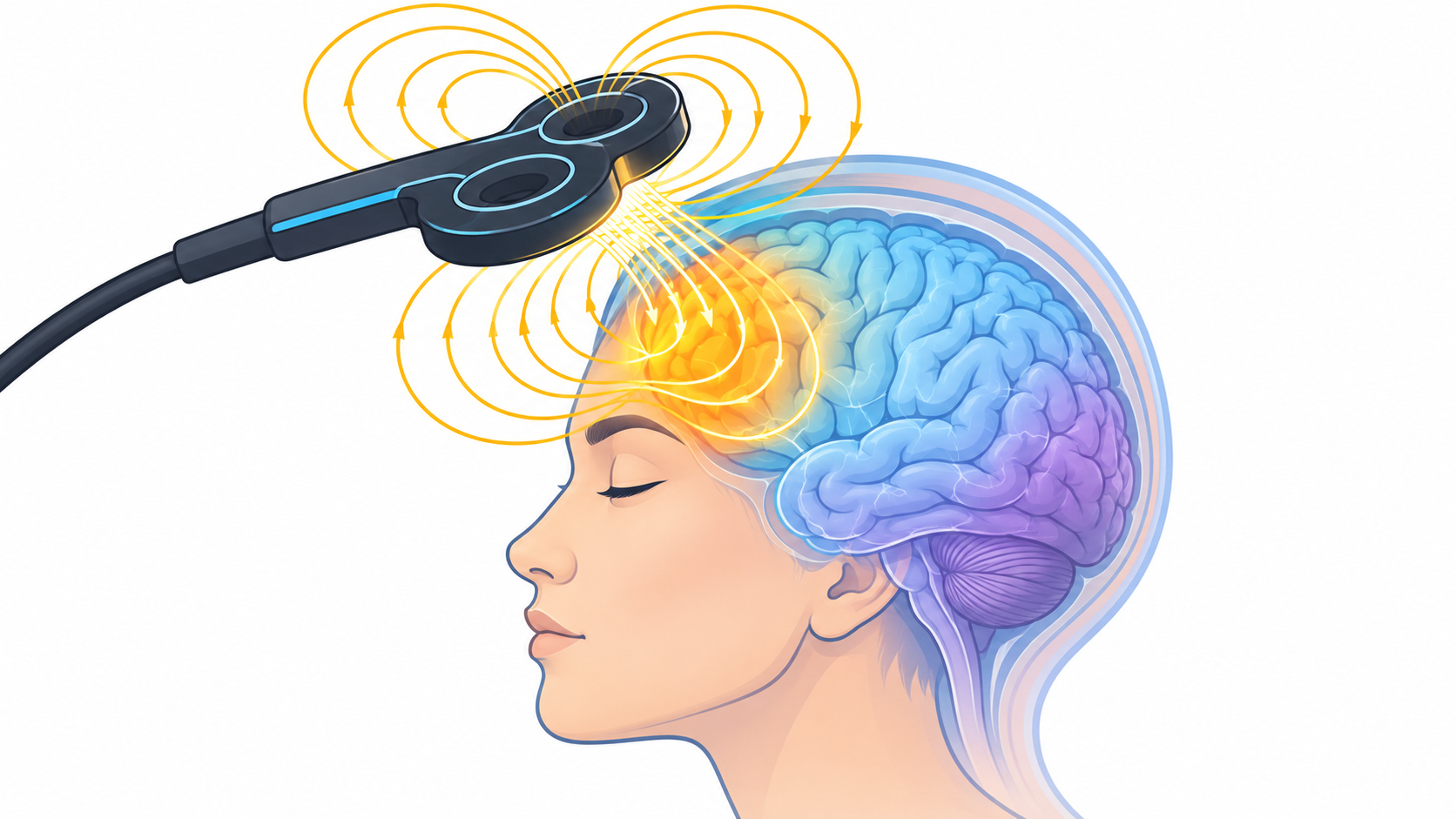
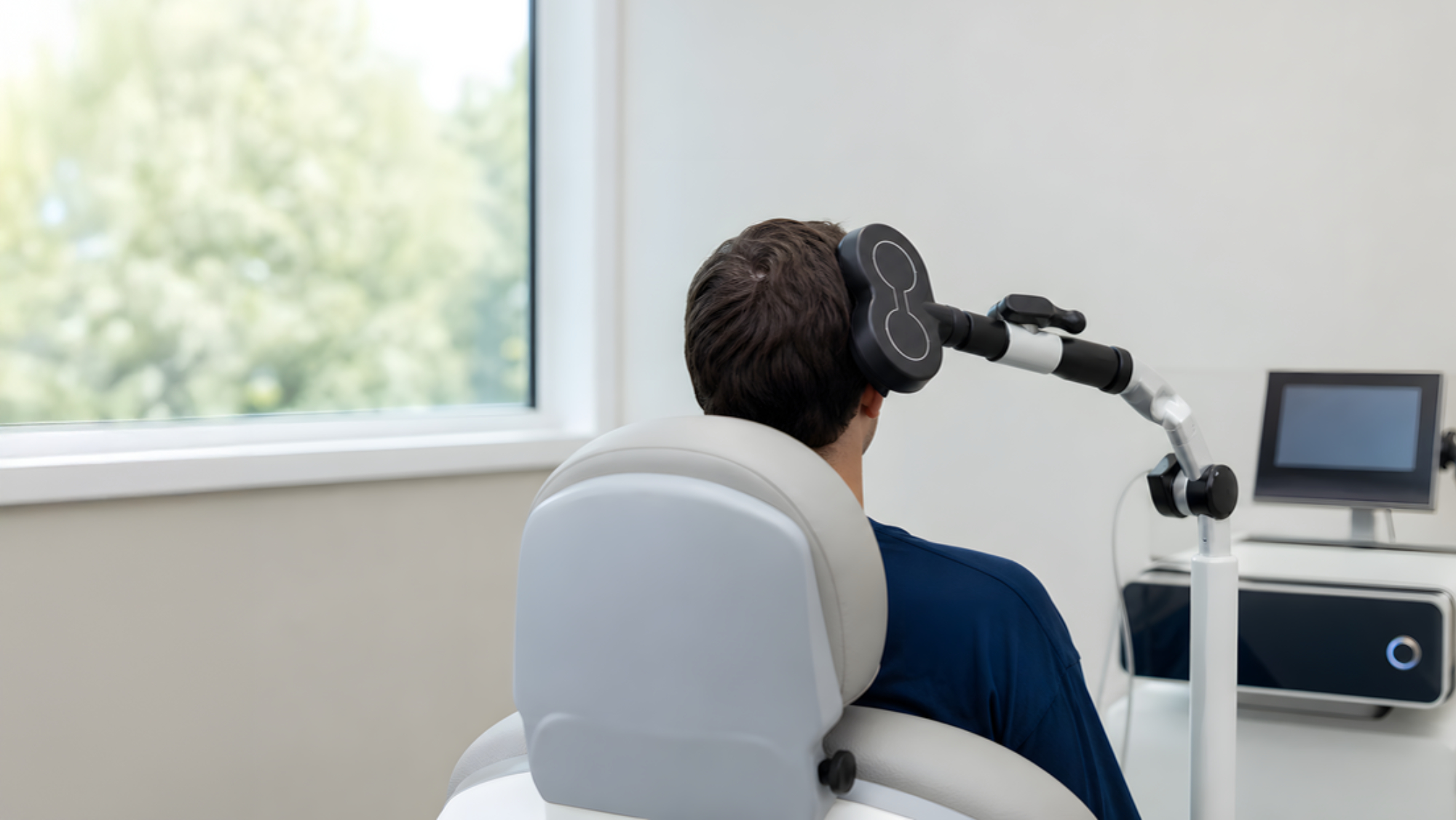
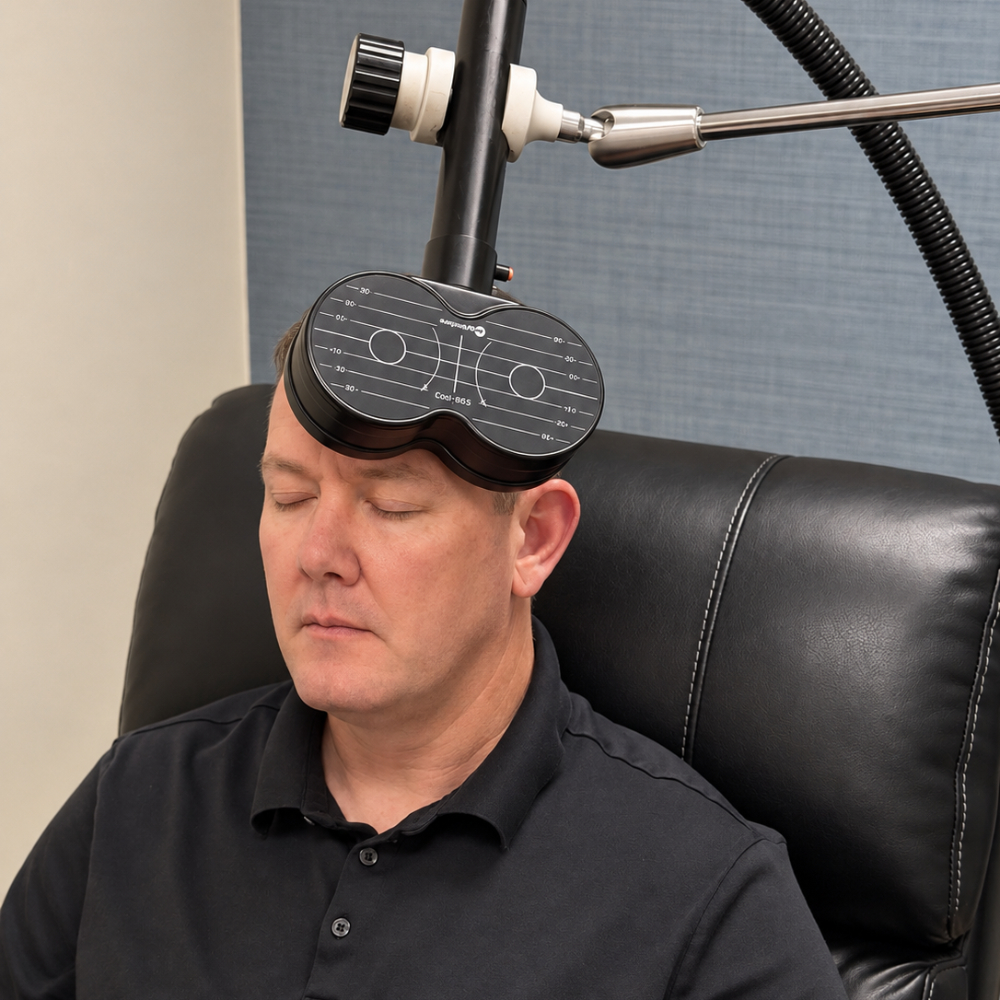
At NeuroVista: EEG-guided, individualized transcranial magnetic stimulation. Each patient is brain-mapped before stimulation and the protocol is tuned to them. Dedicated pathways for veterans and first responders.
Working with:
Wave NeuroscienceMass General BrighamVeterans & first-responder programs
7M
U.S. children have been diagnosed with ADHD, and 15.5M adults; 1 in 31 eight-year-olds is identified with autism.
CDC, 2022–2023
ADHD, autism spectrum and neurodevelopmental conditions.
At NeuroVista: A youth cognitive program at Somerville, coordinated with area schools and measured on cognitive assessment scores, completion, and school referrals. Autism work is exploratory.
Working with:
Youth cognitive program partnerArea schools
17.1%
of Americans age 12 and older had a substance use disorder in the past year (48.5 million people).
SAMHSA, 2023 NSDUH
Substance use disorders, addiction recovery.
At NeuroVista: Connected to inpatient and step-down programs across the affiliated behavioral health network, which gives us populations who are candidates for the treatments we validate and a destination for proven ones.
Working with:
TaraVistaMiraVista
7.2M
Americans 65+ are living with Alzheimer's; TBI accounts for roughly 190 deaths and 590 hospitalizations every day.
Alzheimer's Association 2025 · CDC
TBI, post-concussion, dementia, Alzheimer's.
At NeuroVista: Research and partnership stage. PTSD and TBI overlap heavily in veterans and first responders, and we measure both on the same instruments rather than in separate silos.
Working with:
Academic partnersVeterans' services
12%
of American adults have been diagnosed with chronic insomnia; roughly a third report symptoms.
American Academy of Sleep Medicine, 2024
Insomnia, sleep architecture.
At NeuroVista: Treated both as a condition and as an underlying factor across every other area. Insomnia is an indication for our EEG-guided TMS protocol, and improved sleep is the first change most patients report.
Working with:
Wave Neuroscience
1 loop
Performance programs use the same measurement framework as clinical care, and help fund work that is not otherwise reimbursable.
NeuroVista operating model
Cognitive training, resilience, executive and athletic performance.
At NeuroVista: Cognitive training, resilience, and executive performance programs for individuals and employers, including stress and burnout programs delivered through direct contracts.
Working with:
EmployersYouth cognitive program
Beneath All of Them:
Sleep, the gut-brain axis, inflammation, and daily life.We attend to these regardless of diagnosis. We are not experts in every one of them, and part of the point of the institute is to work with the people who are.
Prevalence figures are U.S. estimates from the sources named on each card and are provided for context; they are not NeuroVista data.

Locations
A live clinic, with the people
building its future down the hall.
Our Somerville building designed to feel like somewhere you would bring your own.
The building houses:
- The Clinic & Institute
- Treatment Suites & Consultation Rooms
- Wing for Youth Cognitive Programming
- Shared Areas for Patients & Families
- The remainder is dedicated to innovation and startups.
Companies working on brain health technology occupy the same building as a live clinic, its clinicians, and its patients.
People who would otherwise meet only at a conference work alongside one another here.
55,000sq ft
Clinic & InstituteInnovation & Startups
- Located in Somerville, Massachusetts
- Minutes from Cambridge and Boston
~7,000sq ft
of clinic and institute: treatment suites, consultation rooms, a youth wing, and family spaces.
Greater Boston
Academic proximity and referral relationships across the region's hospitals, universities, and labs.
Co-located Companies
On below-market terms, with access to the clinic and its outcomes framework.
Shared, de-identified dataset
Neural and outcome data that collaborators contribute to and draw from. Every company that shares what it learns makes the others better off, and the patients with them.
Convenings
A brain summit series with D44 Capital at The Thyme, a neuromodulation salon with BrainMind, and a seminar and webinar series run from the institute.
Introductions as a matter of course
Founders meet clinicians, clinicians meet investors, and portfolio companies meet each other.
Principles
How we decide.
Care is designed with the people who receive it. Patients, families, and frontline clinicians shape how programs are built and how success is defined.
01
Evidence and patient safety precede financial return.Where the two conflict, we stop.
02
We collect outcome data on every program.Then report it whether or not the findings are favorable.
03
We site programs in the communities they serve.Care stays close to home, where patients live and work.
04
Care is designed with the people who receive it.Patients, families, and frontline clinicians shape how programs are built.
05
Every pilot has written KPIs and go / no-go criteria.Agreed before the first patient is enrolled.
06
We reach underserved populations.Youth, veterans, and first responders are part of the design from the start.
People
Founders, advisors, and
independent oversight.
NeuroVista grew out of GFI Partners, which builds and operates behavioral health facilities in Massachusetts and holds affiliated investments in brain and behavioral health companies.
The institute joins those elements together and opens them to the wider field.
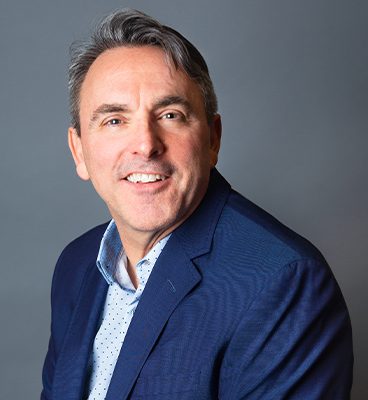
Matthew Dworman
Founding Director
VP of Innovation and Technology Ventures, GFI Partners; leads the affiliated brain health investment practice.
LinkedIn Profile 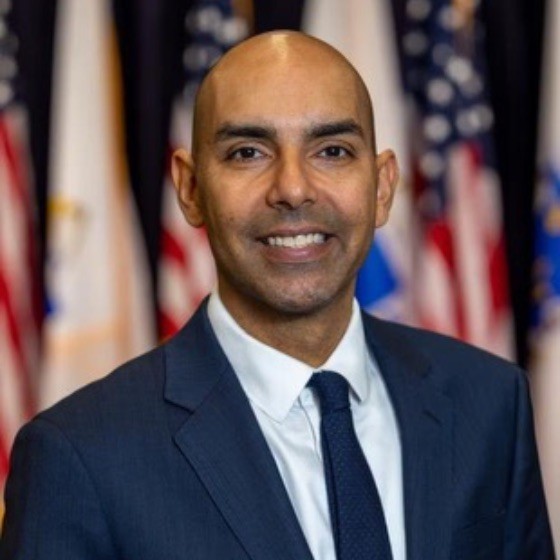
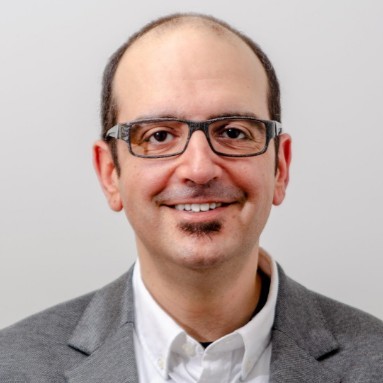
Jon Santiago, MD
Senior Strategic Advisor
Former Secretary of Veterans' Services, Commonwealth of Massachusetts; emergency physician; Army veteran.
LinkedIn Profile Advisory Board · In Formation
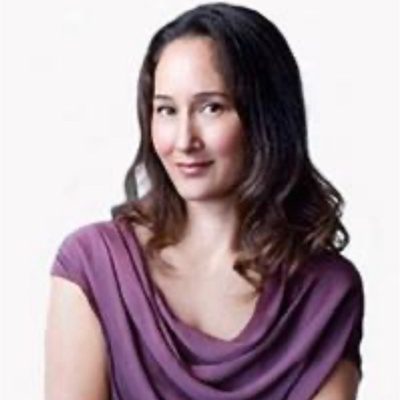
Cynthia Breazeal, PhD
Professor & Dean for Digital Learning, MIT; founder, Personal Robots, MIT Media Lab
LinkedIn Profile 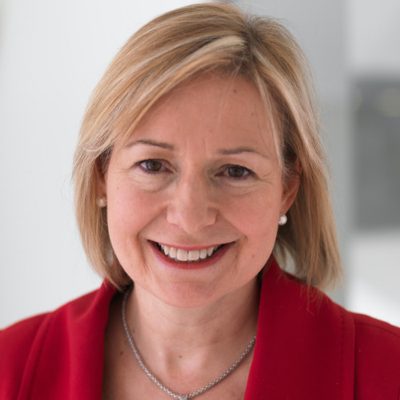
Rosalind Picard, ScD
Professor, MIT Media Lab; founder, Affective Computing; co-founder Affectiva & Empatica
LinkedIn Profile 
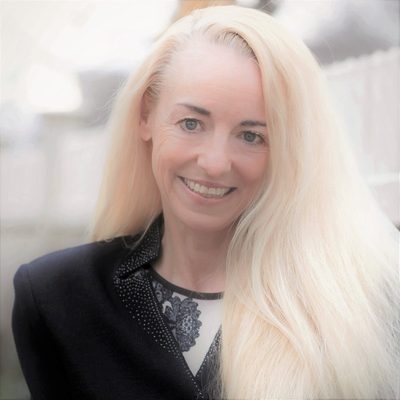
Susan Whitfield-Gabrieli, PhD
Tommy Fuss Endowed Chair in Precision Psychiatry, Massachusetts General Hospital; fMRI neuroimaging & psychiatry
LinkedIn Profile 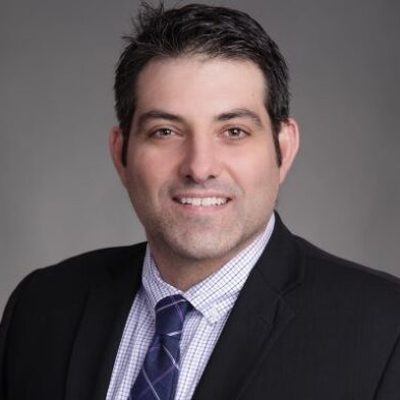
Jerrold Rosenbaum, MD
Director, Center for the Neuroscience of Psychedelics, Mass General Hospital; former Psychiatrist-in-Chief, MGH; Professor of Psychiatry, Harvard
LinkedIn Profile 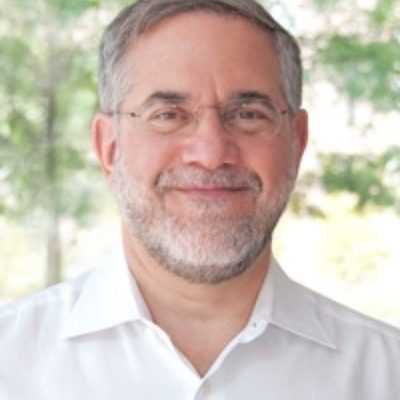
Steven Hyman, MD
Director, Stanley Center for Psychiatric Research, Broad Institute; former Director, NIMH; former Provost, Harvard
LinkedIn Profile 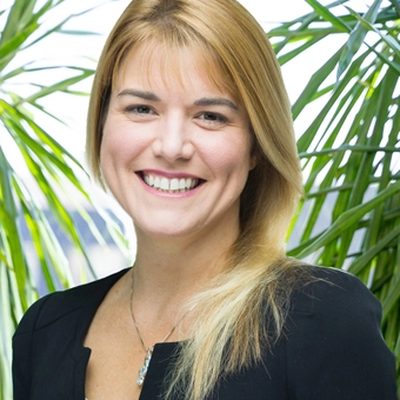
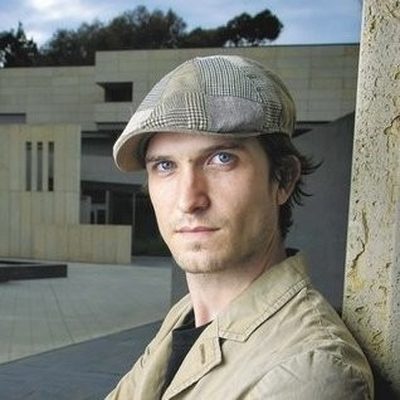


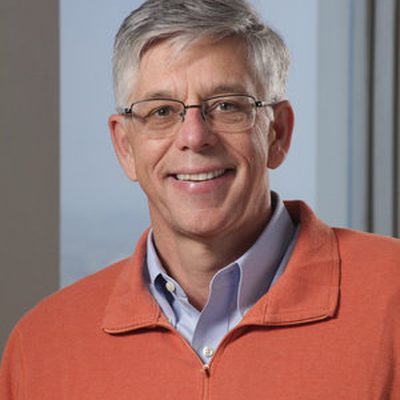
Steve Gullans, PhD
Biotech investor & entrepreneur; co-founder, Excel Venture Management
LinkedIn Profile Draft candidate list for internal discussion only. No one shown here has been approached, finalized, or committed. Replace with confirmed members, or list by composition, before publishing.
Advisory Board
Clinicians, neuroscientists, technologists, operators, investors, and public-sector leaders, including at least one independent clinical and one independent business advisor.
Medical Advisory Board
Independent clinical oversight of every technology in the building: pilot protocols, outcome data, and patient safety.
Partners
Academic, clinical,
and industry, in
one network.
Greater Boston gives us referral relationships and academic proximity.
The affiliated behavioral health network gives us inpatient and step-down populations who are candidates for the treatments we validate, and a destination for proven technologies.




News & Press
The Momentum Behind eTMS
Newsrooms, lawmakers, and medical journals are taking notice of what EEG-guided TMS can do.
The FDA cleared Wave Neuroscience's MeRT System, the EEG-guided TMS technology used at Hero Brain Health, as an adjunct treatment for adults with PTSD.
Clearance came on June 3, 2026 and Wave announced it on June 11. The supporting trial, run with the Texas A&M Institute of Biosciences and Technology, was double-blind and sham-controlled.
The Department of Defense and Veterans Affairs are showing growing interest in eTMS as an adjunct or alternative to traditional treatment.
DoD-supported clinical trials at Virginia Tech and Wright State University are recruiting veterans to formally evaluate EEG-guided TMS for PTSD, and military medical conferences have featured presentations on the approach.
CW Columbus covered Ohio's eTMS program and how it is helping first responders and veterans manage PTSD, depression, and related symptoms.
A growing body of peer-reviewed research shows EEG-guided TMS significantly reduces PTSD, TBI, and depression symptoms in veterans and service members.
eTMS is gaining momentum in the scientific community, with new studies in respected journals validating and refining the approach. Research across veterans and active-duty service members shows meaningful symptom reductions with no serious side effects. Through Wave Neuroscience and partner universities, treatment protocols stay informed by the newest evidence.
- 48% reduction in PTSD symptoms and 52% reduction in depression symptoms across 94 military service members (Neuropsychiatric Disease and Treatment, 2026)
- 37% reduction in PTSD symptoms in 18 active-duty service members, with no serious side effects (Frontiers in Psychiatry, 2024)
- Significant reductions in TBI and PTSD symptoms in 33 special operations veterans (Frontiers in Neurology, 2025)
KCTV5 reported on a new Gladstone clinic offering free mental health treatment to veterans and first responders, as Missouri's eTMS program passed 1,000 people treated.
Spectrum Bay News 9 profiled a Florida eTMS clinic and its patients, including a Navy veteran who now sleeps seven to eight hours a night after years of severe insomnia.
Patients receive treatment free of charge through the state-supported program, typically 20 sessions over four weeks.
Dr. Erik Won, president of Wave Neuroscience, testified before the Ohio House Health Committee on outcomes from the state's eTMS pilot.
He reported a 63% improvement on PTSD scores, compared with roughly 30% for standard TMS, along with reductions in alcohol and opioid cravings in pilot studies.
KCTV5 covered the launch of a Kansas City eTMS clinic operating under a state pilot program.
Early program data reported that about 85–90% of treated individuals saw results, with symptom reduction in the 55–70% range.
Get Involved & Contact
There is a place for you in the loop.
Whether you are seeking care, referring a patient, validating a technology, or funding outcomes you can verify, start here.
Patients & Families
Brain-based options for mood, trauma, sleep, cognitive, and performance conditions, particularly after standard care has failed, and a say in your own treatment plan.
Ask about careClinicians & Health Systems
A referral destination for neuromodulation, co-management, and support in building measurement-based care.
Refer or Co-manageResearchers, Startups, & Industry
A clinical site, a patient population, a translational team for validation, and space alongside a live clinic.
Validate with usFunders & Public Partners
Outcomes you can measure and verify. Veterans' services, first responder support, youth mental health, and workforce development.
Fund what worksGet in Touch
Build the future of brain health with us.
Researchers, clinicians, founders, and funders: the handoffs that usually take years happen here in a hallway.